Hot Weather Turf Installation: Getting the Timing Right This Summer
When temperatures rise, timing becomes everything. Here’s how to keep your turf installation on track through South East Queensland’s warmer months.
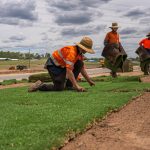
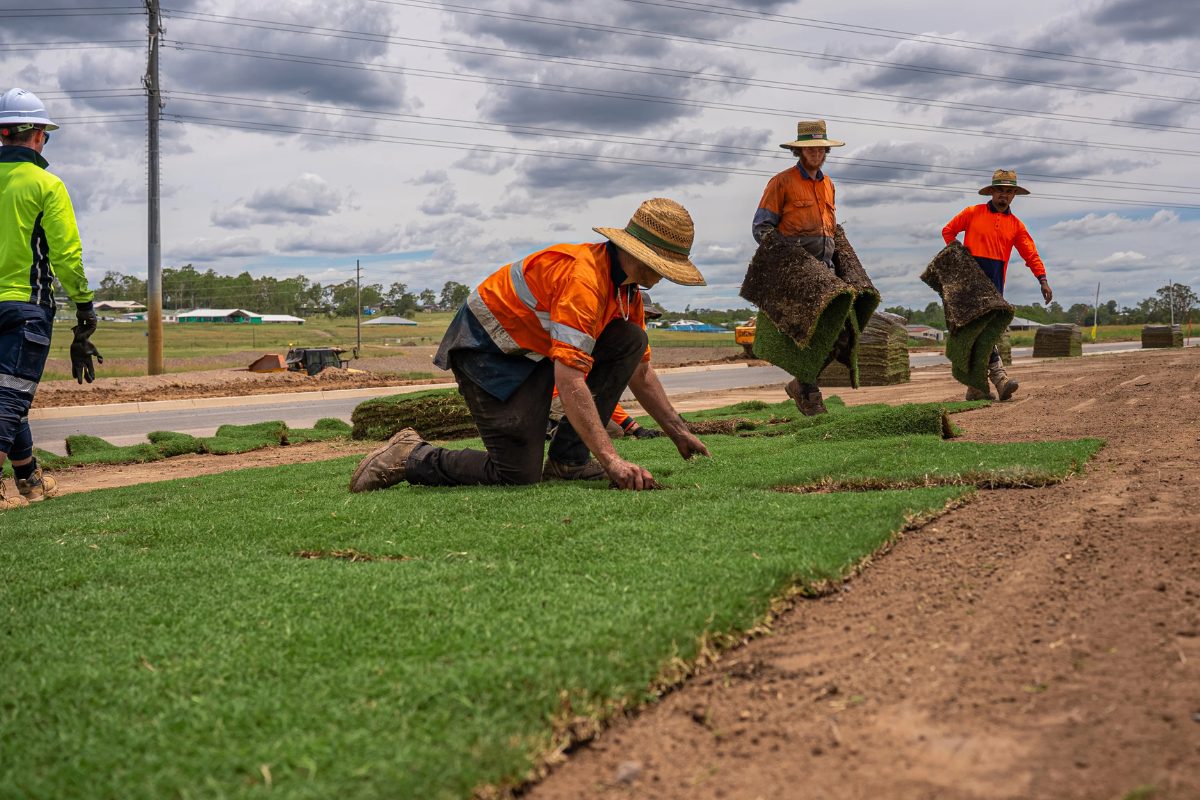
Summer in South East Queensland brings longer days, higher temperatures and plenty of opportunity to get turf projects underway. But when it comes to hot weather turf installation, timing is everything. As temperatures rise, the window between turf harvest, delivery, laying and irrigation becomes increasingly important.
Freshly harvested turf is a living product, and the longer it sits without access to moisture, the greater the risk of heat stress and deterioration.
Whether you’re managing a large-scale commercial installation, council open space or residential landscaping project, a well-coordinated approach can make all the difference to the quality of your finished result.
Why Timing Matters in Hot Weather Turf Installation
During the cooler months, turf generally has a little more flexibility between harvest and installation. As temperatures increase, that window becomes shorter.
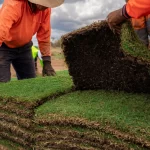
Once harvested, turf is separated from its established root system and relies on the moisture retained within the turf itself. When stacked on pallets, heat can build up quickly, particularly during hot and humid Queensland conditions.
Leaving turf sitting for extended periods can lead to:
- Increased heat stress and moisture loss
- Yellowing, discolouration and reduced turf quality
- Slower establishment and root development
- Greater risk of turf deterioration before installation
The goal is simple: minimise the time between harvest, delivery, laying and the first irrigation.
Getting these stages right helps protect the quality of your turf and gives it the best possible start on site.
1. Plan Ahead Before Your Turf Arrives
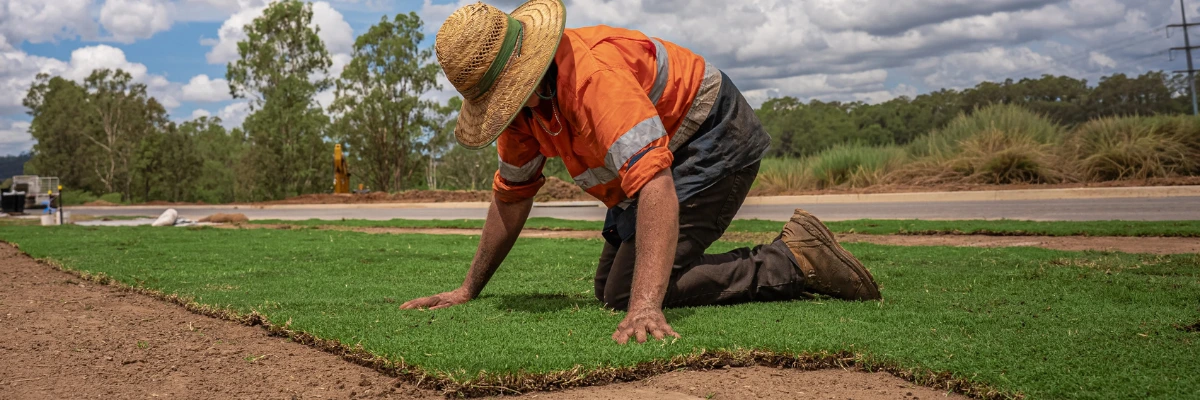
Successful summer turf installation starts well before the delivery truck reaches your site. For commercial turf projects across South East Queensland, coordinating site preparation, labour, equipment and irrigation ahead of time is essential.
Before scheduling your turf delivery, make sure:
- All soil preparation, levelling and site works are complete
- Irrigation systems are installed, tested and ready to operate
- Installation crews and equipment are available for the scheduled delivery
- Site access is clear for efficient unloading
- The installation area is ready to receive turf immediately
Where possible, coordinate your turf quantities and delivery schedule with the area your team can realistically install and irrigate that day.
For larger projects, staging deliveries across multiple days may be a more effective approach than having excess turf waiting on site.
2. Keep the Time Between Delivery and Installation Short
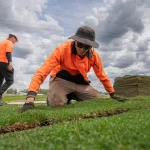
When it comes to turf delivery in hot weather, getting fresh turf off the pallets and onto prepared soil as quickly as possible is essential.
During hot weather, stacked turf can generate and retain significant heat, particularly when exposed to direct sunlight. Even high-quality, freshly harvested turf can deteriorate if left sitting for too long.
To help minimise the risk:
- Schedule deliveries around your installation team’s availability
- Begin laying turf as soon as practical after delivery
- Avoid leaving loaded pallets sitting in direct sunlight
- Prioritise installation over other non-essential site activities
- Only order quantities your crew can manage within the available installation window
For large commercial sites, having a clear unloading and installation plan helps keep the project moving efficiently.
Smarter Deliveries for Smoother Installations
When working on larger projects, how your turf arrives on site can be just as important as when it arrives.
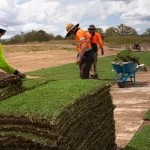
At Allenview Turf, we understand that every project has its own access requirements, installation schedules and site challenges. That’s why we work with our commercial customers to coordinate staged deliveries and, where site access allows, precise turf placement to help keep projects running efficiently.
By getting turf delivered when and where it’s needed, crews can spend less time moving pallets around site and more time laying and irrigating fresh turf.
Less handling, less downtime and a shorter window between delivery and irrigation. It’s all part of helping your team get the job done right, especially when summer temperatures are climbing.
3. Make Irrigation a Priority, Not an Afterthought
Water is one of the most important factors in successful turf establishment, particularly during Queensland’s summer.
Freshly laid turf needs consistent moisture to support root development and reduce the risk of drying out.
In hot conditions, irrigation should begin as soon as sections of turf are laid, rather than waiting until the entire site is complete.
For larger installations, this may mean working progressively across the site, laying and watering completed sections while the remaining installation continues.
A few important considerations include:
- Pre-installation: Ensure the prepared soil has adequate moisture before laying turf, without leaving it waterlogged.
- During installation: Begin watering completed sections promptly, especially in exposed or high-temperature areas.
- Immediately after laying: Water thoroughly to moisten the turf and underlying soil.
- During establishment: Maintain consistent moisture and adjust irrigation frequency to suit temperature, wind, soil conditions and rainfall.
The first few weeks are particularly important as new roots begin establishing into the prepared soil.
Once the turf has established, watering practices can gradually transition towards deeper, less frequent irrigation to encourage healthy root development.
4. Consider the Conditions on Site
Not every installation site experiences heat in the same way. Large, exposed commercial developments, roadside projects, sporting facilities and public open spaces can experience significant heat, wind exposure and moisture loss.
When planning summer installations, consider:
- Temperature: High daytime temperatures can accelerate moisture loss and increase turf stress.
- Wind: Hot, dry or persistent winds can cause turf and soil to dry out faster.
- Site exposure: Open areas with limited shade may require closer irrigation management.
- Soil conditions: Sandy or free-draining soils may need more frequent watering during establishment.
- Project size: Larger installations require careful coordination to ensure every section receives water promptly.
Where practical, scheduling installation during cooler parts of the day can help reduce stress on freshly laid turf and the crews installing it.
For particularly hot conditions, it may be worth reviewing the installation schedule to ensure your team can safely lay and irrigate the turf without unnecessary delays.
5. Have a Clear Establishment and Handover Plan
Successful turf establishment in summer doesn’t finish once the last slab of turf is laid. A clear watering and maintenance plan is essential to protecting turf quality after installation, particularly when ongoing care becomes the responsibility of a council or facilities management team.
Before handing over the site, confirm:
- Who is responsible for irrigation during establishment
- That watering schedules are appropriate for current weather conditions
- That irrigation coverage has been checked across the entire area
- That the maintenance team understands the importance of monitoring moisture levels
- That any site-specific care requirements have been communicated
A well-managed handover helps protect the finished project, reduces avoidable establishment issues and supports a healthier, more resilient turf surface.
Quality Turf, Reliable Supply and a Team You Can Count On
When it comes to commercial turf installation, having an experienced and reliable supplier on your side can make all the difference, especially during Queensland’s hotter months.
At Allenview Turf, we pride ourselves on delivering premium quality turf and dependable service to landscapers, contractors and councils across South East Queensland. From selecting the right turf variety to coordinating quantities, staged deliveries and site access, our team is here to help keep your project running smoothly.
Planning a hot weather turf installation this summer? Get in touch with the Allenview Turf team to discuss your upcoming project, turf requirements and delivery schedule. We’re here to help you get the job done right!
Quality turf. Reliable service. A team that understands your project.
FAQ
Can you install turf in hot weather?
Yes, turf can be installed during hot weather, provided the site is prepared, turf is laid promptly after delivery and irrigation begins immediately. Careful coordination is particularly important during Queensland’s warmer months to minimise heat stress and support healthy establishment.
How quickly should turf be laid after delivery in summer?
Fresh turf should be installed as soon as possible after delivery, particularly during hot weather. The longer turf remains stacked on pallets, the greater the risk of heat build-up and moisture loss. For large commercial installations, staged deliveries can help minimise delays.
How often should newly laid turf be watered in summer?
Newly laid turf requires consistent moisture while establishing, particularly during hot and windy conditions. Watering frequency will depend on the turf variety, soil type, weather and site exposure. The priority is to prevent the turf and underlying soil from drying out without creating waterlogged conditions.