
The Queensland Commercial Landscaper’s Spring Preparation Checklist
Spring is when Southeast Queensland’s warm-season turf starts to shift into gear.
As temperatures rise and daylight hours increase, turf moves into a period of more active growth. For commercial landscapers, councils, contractors and grounds teams, that means more than simply mowing more often. Irrigation demand increases, weeds become more active, pests return to the picture and high-use areas can quickly show the effects of winter.
The sites that perform well through spring and summer are rarely the result of reactive maintenance. They’re the result of getting the fundamentals right before growth accelerates.
If you’re managing commercial turf across Southeast Queensland, here’s the checklist to work through before spring gets underway.
Inspect your turf before spring growth accelerates
A proper spring inspection should go further than checking whether the turf is green.
Walk the site and identify areas of thinning, bare ground, uneven growth, compaction, drainage issues and wear. Pay particular attention to high-traffic routes, areas beneath trees, access points and locations where vehicles or equipment regularly travel.
Spring is also the time to look closely for the remnants of winter weed pressure. Winter grass, bindii, clover and creeping oxalis are among the weeds commonly encountered in Queensland turf, and small infestations are much easier to manage before they become established across a larger area.
Pest monitoring should also increase as conditions warm. Armyworm, sod webworm and African black beetle are common turf pests across Southeast Queensland. Look for irregular patches of damage, thinning turf, chewing or ragged leaf tissue and areas where turf lifts unusually easily.
The goal isn’t simply to find what’s wrong today. It’s to identify what could become a problem once the turf starts growing rapidly.
Get your irrigation system ready for increased demand
As temperatures climb, irrigation becomes increasingly important, but simply increasing watering isn’t necessarily the answer.
Start by checking the irrigation system itself. Make sure sprinklers are operating correctly, coverage is even, controllers and valves are functioning and there are no obvious leaks or damaged heads.
Look closely for dry spots and areas receiving excessive water. These can indicate poor coverage, pressure issues or problems with the system rather than simply a lack of irrigation.
For large commercial landscapes and council sites, uneven irrigation can quickly translate into inconsistent turf quality across the site.
It’s also worth reviewing watering frequency and timing. The objective is to encourage the turf to develop a strong root system rather than keeping the surface constantly wet.
If irrigation infrastructure isn’t keeping pace with the demands of the site, spring is the time to identify that, before summer exposes the problem.
Assess soil condition and compaction
Great turf starts below the surface.
Commercial landscapes, parks and sporting facilities can experience significant soil compaction from foot traffic, vehicles, equipment and ongoing maintenance. Compacted soil restricts root development, reduces infiltration and can leave turf struggling even when irrigation and fertiliser programs are otherwise sound.
Look for areas where water pools after rainfall or irrigation, where the soil feels particularly hard, or where turf consistently grows poorly despite receiving the same maintenance as surrounding areas.
Aeration may be appropriate in areas where compaction is limiting turf performance, while more significant soil issues may require additional remediation.
Don’t assume every weak patch is a turf problem. If the same area repeatedly struggles, investigate what is happening underneath it.
A spring inspection gives you an opportunity to address soil issues while warm-season turf is entering its strongest recovery and growth period.
Review your mowing program and equipment
As warm-season turf moves into active growth, mowing requirements increase.
Before that happens, make sure your equipment and maintenance program are ready to keep up.
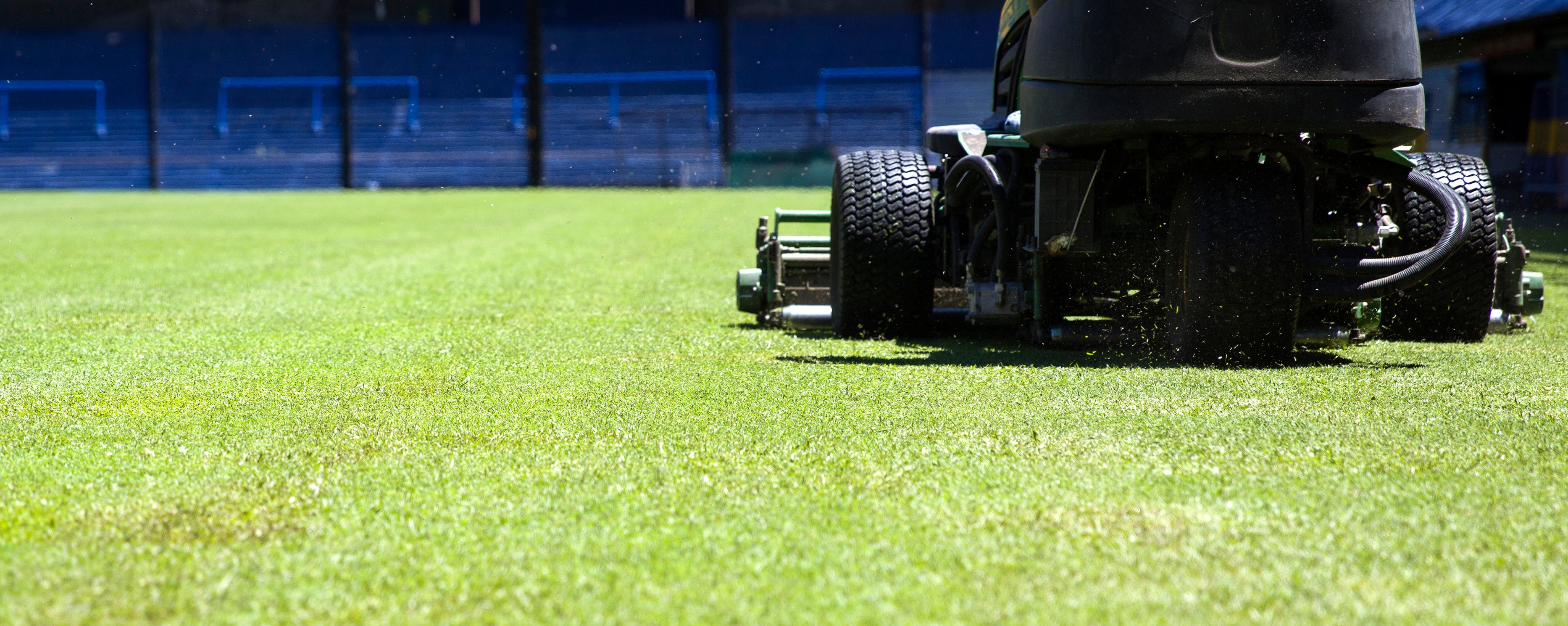
Check mower blades, cutting heights and equipment condition, and make sure your mowing schedule reflects the growth rate and requirements of the turf variety being managed.
Cutting too much leaf at once can put unnecessary stress on turf, while allowing turf to become excessively long can create its own problems with presentation and maintenance.
For commercial sites, consistency is particularly important. Parks, streetscapes and sporting facilities need to maintain a reliable standard across large areas, often under significant use.
Spring is also a good time to review whether your current mowing frequency is still appropriate. As growth accelerates, the program may need to change with it.
Get ahead of spring weeds
Weed pressure can increase quickly once conditions warm up.
The best commercial weed management programs aren’t based on waiting until weeds are obvious and then treating the entire site. Regular monitoring helps identify where weeds are appearing and whether there is an underlying reason.
Thin turf, bare soil, poor irrigation and compaction can all create opportunities for weeds to establish.
Common seasonal weeds such as winter grass, bindii, clover and creeping oxalis can be particularly noticeable around the transition into spring.
Correct identification is important before selecting any treatment. Different weeds require different control strategies, and products must always be selected and applied according to the label, turf variety and site requirements.
For large sites, mapping recurring problem areas can be valuable. If the same locations consistently develop weed issues, the long-term solution may involve improving turf density, drainage, irrigation or soil condition rather than relying solely on chemical control.
Review your fertiliser and nutrition program
Spring is an obvious time to think about fertiliser, but a commercial turf program shouldn’t be based simply on the calendar.
As turf enters active growth, review its actual condition and consider what the site will require over the coming months.
Factors to consider include:
- Turf variety
- Soil condition
- Previous fertiliser applications
- Expected traffic
- Irrigation availability
- Desired presentation
- Upcoming events or high-use periods
The goal is to support healthy, consistent growth without creating unnecessary maintenance demand.
Overfeeding can mean excessive growth and more frequent mowing, while insufficient nutrition can leave turf thin and less able to recover from traffic.
For councils and commercial landscapers managing multiple sites, a planned nutrition program also makes it easier to prioritise inputs where they’re going to have the greatest impact.
Identify high-traffic areas before they deteriorate
One of the most useful spring checks is to look at the site through the next six months, not just the next six weeks.
Where will people walk? Where will vehicles travel? Which areas will be used for events, sport or recreation? Where is turf already showing signs of wear?
High-traffic areas often reveal weaknesses first.
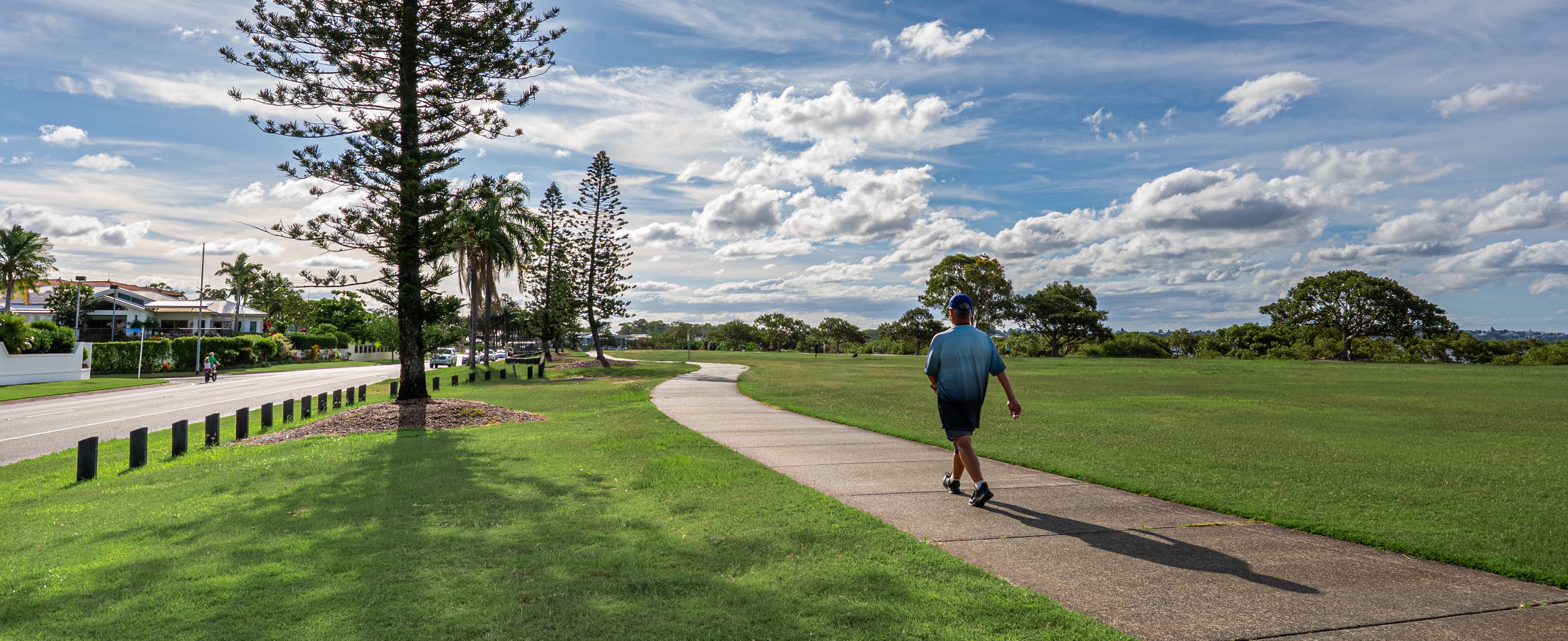
For parks and sporting facilities, look closely at entry points, pedestrian routes, spectator areas and heavily used sections of the field. For commercial developments and streetscapes, consider verges, pathways and access points.
If an area is already struggling, determine whether it needs renovation, additional protection or turf replacement.
It’s also worth asking whether the turf variety is appropriate for the level of use. Selecting turf based on the site’s actual conditions and traffic demands can make a significant difference to long-term performance and maintenance requirements.
Review upcoming commercial turf projects early
Spring preparation isn’t only about maintaining existing turf.
For commercial landscapers and contractors, it’s also about getting ahead of the projects in the pipeline.
If you have council works, new developments, park upgrades, sports fields or commercial landscapes scheduled for spring and summer, review your turf requirements early.
Confirm:
- Turf variety and specification
- Square metre requirements
- Delivery dates
- Site access
- Unloading requirements
- Installation timing
- Establishment requirements
- Any staged delivery requirements
Turf is a living product, so supply and installation timing need to be considered alongside the wider construction program.
The earlier turf requirements are confirmed, the easier it is to coordinate supply and delivery around your project schedule.
A five-minute conversation about turf requirements early in the planning process can prevent a much more complicated conversation when the site is ready and the turf is needed immediately.
Make sure you’re specifying the right turf
Not every commercial site needs the same turf.
When specifying turf for a project, look beyond how the variety looks when it arrives and consider how it will perform once the site is operational.
Think about the expected traffic, sun and shade, water availability, maintenance resources, recovery requirements, soil conditions, desired presentation and long-term maintenance costs.
A sporting surface has different requirements from a council park, commercial development or streetscape.
Allenview supplies a range of turf varieties for different commercial applications across Southeast Queensland, including Stadium Sports Couch, Wintergreen Couch, Empire Zoysia and Palmetto Soft Leaf Buffalo.
The right specification should balance performance, site conditions and ongoing maintenance, not just initial appearance.
If you’re unsure which variety best suits a project, involve your turf supplier early. Getting the specification right before installation is considerably easier than trying to correct the wrong choice later.
Plan your turf supply and delivery
The final item on the checklist is one that can easily be overlooked until it’s too late: turf logistics.
Before a project reaches the installation stage, confirm how much turf is required, when it needs to arrive and whether the site is actually ready to receive it.
Consider the final turf quantities, preferred delivery date, site access, unloading requirements, installation capacity, irrigation readiness, weather considerations and staged deliveries where required.
Good turf planning is about more than securing a product. It’s about coordinating turf supply, site preparation, delivery and installation so each stage happens at the right time.
For commercial projects, this is particularly important when multiple trades are working to a tight construction program.
Planning ahead gives everyone involved a clearer timeline and reduces the risk of turf sitting on site longer than necessary or a prepared site waiting for its delivery.
Your SEQ commercial turf spring checklist
Before spring growth gets into full swing, make sure you’ve:
☐ Inspected existing turf and identified problem areas
☐ Checked irrigation coverage and infrastructure
☐ Assessed soil condition and compaction
☐ Prepared mowing equipment and reviewed mowing frequency
☐ Checked for seasonal weeds and pest activity
☐ Reviewed nutrition requirements
☐ Identified high-traffic and high-wear areas
☐ Reviewed upcoming turf projects
☐ Confirmed turf varieties and specifications
☐ Calculated quantities and delivery requirements
☐ Confirmed site access and installation timing
Get your commercial turf program ready for spring
Spring is a busy period for Queensland turf, and the sites that perform best are the ones that enter it prepared.
Whether you’re managing council open spaces, commercial landscapes, sporting facilities or new developments, having the right turf, maintenance program and supply arrangements in place early can make the months ahead significantly easier to manage.
Allenview Turf grows and supplies quality turf for commercial projects across Southeast Queensland, working with landscapers, contractors, councils and project teams on turf selection, supply and delivery.
If you’ve got a commercial turf project coming up this spring, speak with the Allenview team early to discuss your requirements and make sure your turf is part of the plan from the beginning.