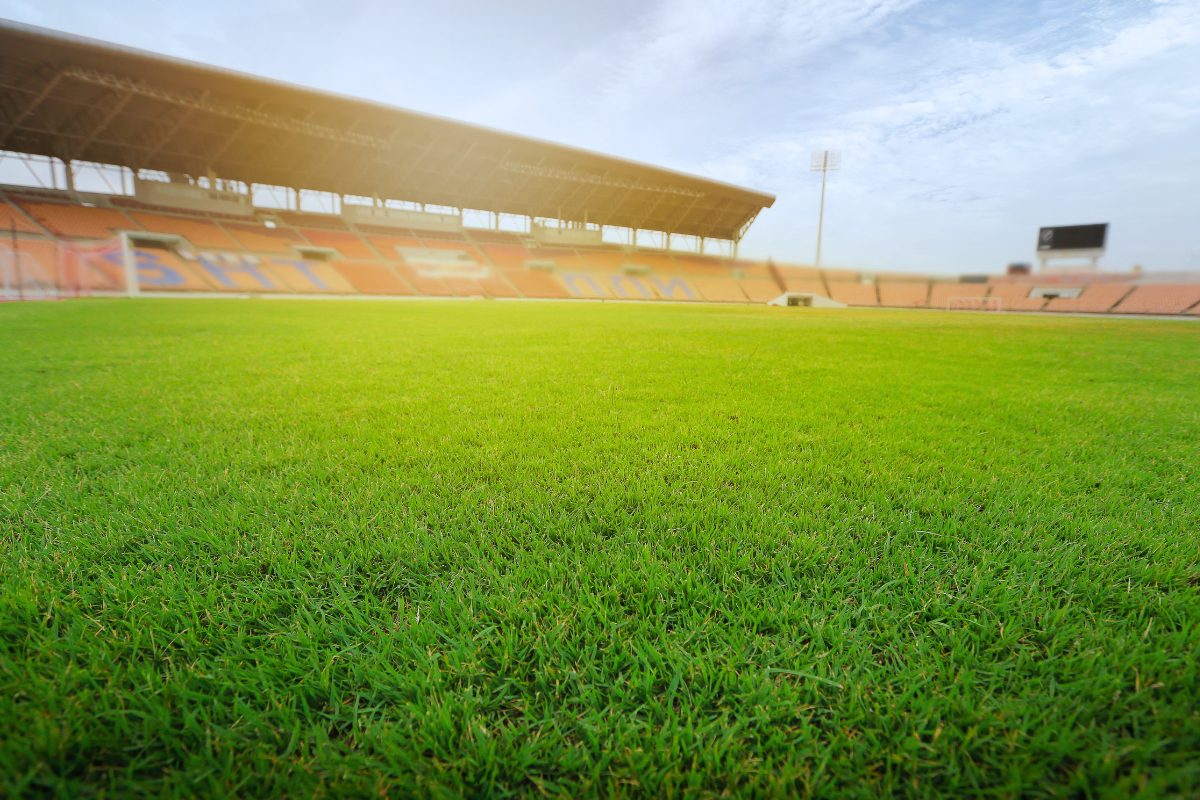
Maximising Couch Turf Winter Performance for SE Queensland Sports Fields
If you manage sporting facilities in Southeast Queensland, you already know that couch turf is the workhorse of the region. It handles the heat, it deals with the dry spells, and it recovers from heavy foot traffic in a way that few other grasses can match. But come winter, the picture changes. Some couch fields stay dense, recovering quickly between fixtures, and looking respectable right through to spring. Others thin out, sit dormant for months, and put clubs in the position of playing on surfaces that do neither player nor programme any favours.
The difference isn’t always about how much care a groundskeeper puts in. In fact, that’s rarely the reason. A lot of the time, it comes back to which variety is in the ground.
Understanding Couch Grass Dormancy in Queensland
All couch grasses are warm-season varieties, which means they slow down as temperatures drop and day length shortens. Growth rates fall, colour fades, and the plant draws energy back into its root system and stolons to wait out the cold. This is normal, and in Southeast Queensland’s relatively mild winters, couch rarely goes fully brown the way it might further south.
The critical question for a sporting facility isn’t whether couch slows down in winter (because it will), but how well the surface holds up under continued use during that period, and how quickly it bounces back as conditions improve in spring. That’s where variety selection has a direct commercial consequence.
Wintergreen Couch: The Reliable Choice for Low-Maintenance Grounds
Wintergreen Couch has been a staple of Queensland sports fields and domestic lawns for good reason. It is one of the most drought-tolerant grasses on the market, because its deep root system gives it genuine wear resistance, and its fairly low maintenance requirements make it a practical choice for facilities that don’t have the budget or staff to run intensive ground management programmes.
The fine leaf and tolerance to low mowing mean Wintergreen suits a wide range of applications, from community recreation areas to mid-tier sporting fields. Its salt tolerance also makes it a sensible choice for coastal sites, which are common in Queensland!
In winter, Wintergreen goes into a natural period of reduced activity. Mowing and watering requirements drop off noticeably, which keeps operational costs lower through the cooler months. For domestic installations or lower-use recreation grounds, this is a straightforward advantage.
Where facilities need to think carefully is on high-use sporting fields carrying year-round competition loads. Wintergreen’s winter dormancy means recovery from wear is slower during this period, and surfaces under heavy use can thin out before the spring flush gives the grass the growing conditions it needs to repair itself. For those applications, the management programme needs to account for that slower recovery window, whether through rotation, rest days, or reduced load during peak dormancy.

Stadium Sports Couch: Engineered for Elite Winter Performance
Stadium Sports Couch was bred for a different brief entirely. Where Wintergreen is a capable generalist, Stadium is a purpose-designed sports variety, and winter performance is one of the areas where that distinction shows most clearly.
The variety is recognised as the darkest green couch available, which matters both aesthetically for high-profile venues and practically because richer colour retention through the cooler months gives you a better-presented surface without having to push it with fertiliser to maintain the look. Stadium is highly responsive to fertiliser when you want to drive it, but it holds its colour in lower-input conditions better than most couch varieties, which is very useful for facilities managing tighter maintenance budgets.
The characteristic that makes the most difference for winter sporting use is Stadium’s quick spring green-up. In cold climates, this variety is recognised for coming back into active growth faster than other couch options as conditions improve, which shortens the recovery window and gets the surface back to full playing standard sooner. For competitions that run through winter and need the field performing in September and October, that faster green-up has a direct impact on how many fixtures you can run without compromising surface quality.
Stadium also suits oversowing with ryegrass in cooler climates because of its moderate thatch level. This means facilities can introduce a cool-season grass over the top of the couch through winter to maintain green cover and playing surface quality, then allow the couch to reclaim the surface naturally as temperatures rise in spring. It is a well-established management strategy for sports fields that need to stay in use year-round, and Stadium’s stolon and rhizome characteristics are well matched to this approach.
The stolon base and rhizome depth are also worth understanding. Stadium’s rhizomes are deep enough to sit largely outside the primary wear zone, which means they survive the surface damage of heavy use better than varieties with shallower root structures. But they are not so deep that reshoot is slow when conditions are right. That balance is what gives Stadium its reputation for fast wear recovery on sporting surfaces.

Stadium vs. Wintergreen: Which Variety is Right for Your Facility?
For commercial and sporting facility purchasing decisions, the choice between Wintergreen and Stadium comes down to what the facility actually needs from its surface through winter.
Wintergreen is the right answer for lower-use grounds, recreational open space, and applications where cost efficiency and low maintenance are the primary drivers. It performs reliably throughout the year and asks very little of the people managing it.
Stadium is the right answer when the facility carries a heavy sporting load, when presentation standards need to be maintained through the cooler months, when the client is oversowing with ryegrass as part of a managed winter programme, or when fast spring recovery is a priority because the competition calendar doesn’t give the field much recovery time.
Getting the variety right from the start is far more cost-effective than working around the wrong one. Both Wintergreen and Stadium are available through Allenview Turf, and the team can work through the specifics of your site and usage requirements to point you toward the appropriate choice.
Talk to Allenview Turf about your next project. Whether you’re laying a new field or looking at what variety makes sense for your facility’s next renovation, we can give you a straight answer based on the site conditions and workload you’re dealing with.
Call us on 07 5543 2921 or email sales@allenviewturf.com.au.