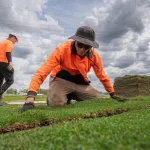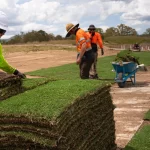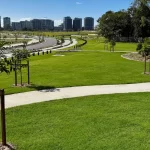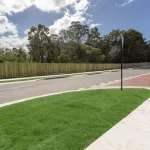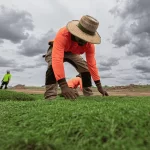
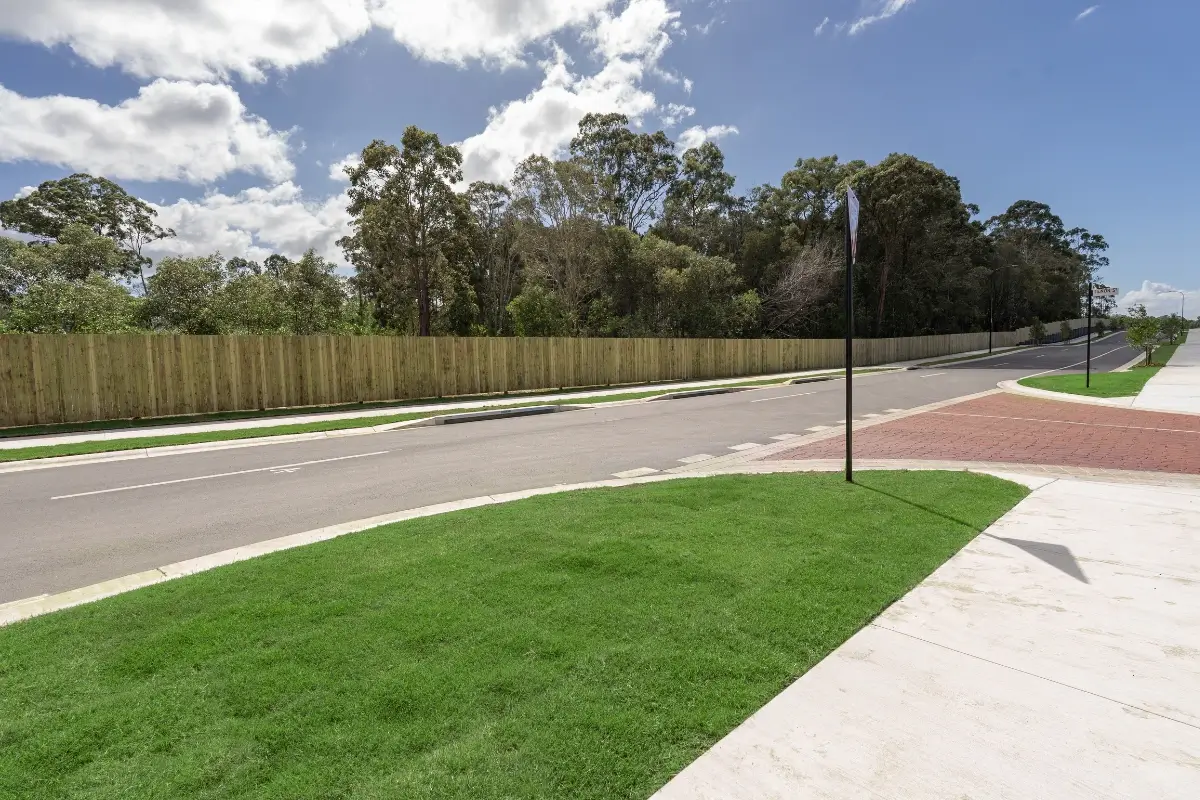
When councils and developers think about turf in commercial settings, the conversation usually starts with aesthetics. A well-maintained oval looks good, a green park precinct feels welcoming, and a tidy road corridor presents well. All of these things we know to be true, but at Allenview Turf, we also know the value of quality turf in commercial environments runs a lot deeper than appearances. The communities that use these spaces every day feel the difference, even if they can’t always articulate why.
It’s Where Community Actually Happens
Ovals, parks, school grounds, and recreation corridors aren’t just infrastructure. They’re where local sport is played, where kids spend their afternoons, where families gather on weekends, and where people go to decompress after work. The quality of the turf underfoot shapes how usable, and how loved, those spaces really are.
A patchy, compacted oval gets avoided, while a well-presented, consistent surface gets used and enjoyed. There is a difference between a green space that serves its community and a green space that sits there looking like an obligation, and at Allenview Turf, we supply the former.
Turf Does a Lot of the Heavy Lifting Environmentally
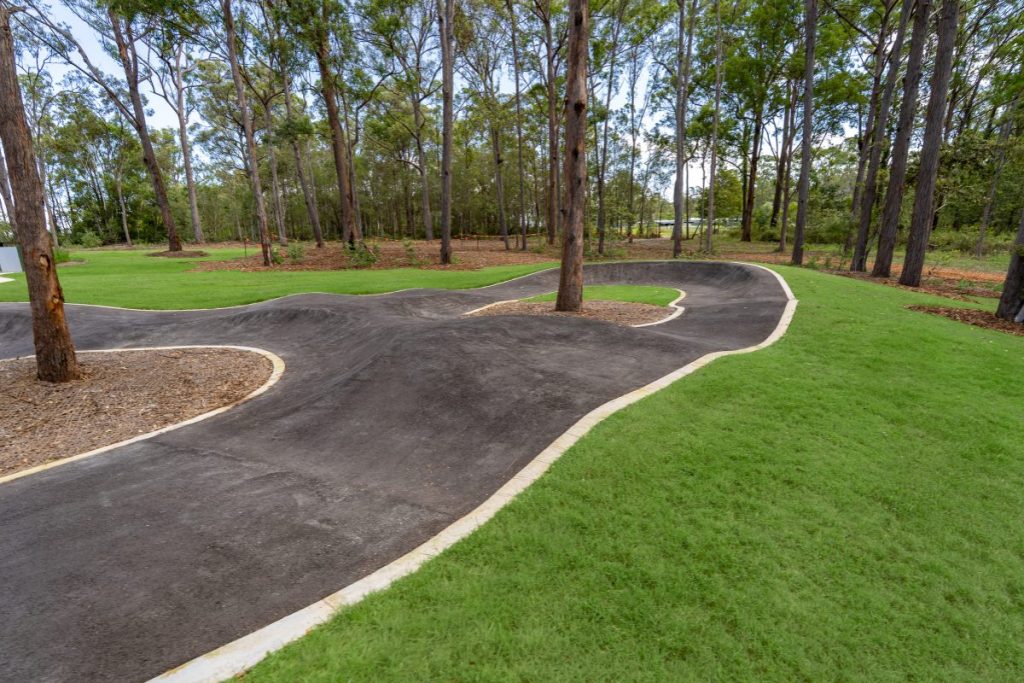
Beyond the social value, turf is quietly doing important environmental work across commercial sites. It reduces surface runoff, filters stormwater, suppresses dust, and moderates local temperature through a process called evapotranspiration, which is a technical way of saying it keeps things cooler than concrete or bare ground ever could. And cooling spaces is something Queenslanders know a lot about!
For councils managing urban heat, drainage, and sustainability commitments, that’s not a small thing. A well-selected turf variety across a large park or corridor can contribute meaningfully to environmental outcomes without requiring ongoing intervention to do so.
Durability Matters at Scale
In a residential context, a lawn that gets a bit rough under pressure is a cosmetic issue, but in a commercial context, it can quickly become a liability. High-traffic areas such as entry points, spectator zones, and playground surrounds need turf that can absorb use and recover without constant intervention. Choosing the right variety for the right application is where the long-term cost efficiency comes in. Turf that holds up under pressure needs less repair, less renovation, and less contractor time over the life of the project. That’s a meaningful saving across a portfolio of sites. Here at Allenview Turf, we’ve been growing four different turf varieties suited to Southeast Queensland for over 15 years, with the knowledge and know-how to recommend a variety for every space and community.
First Impressions Are Formed Outside
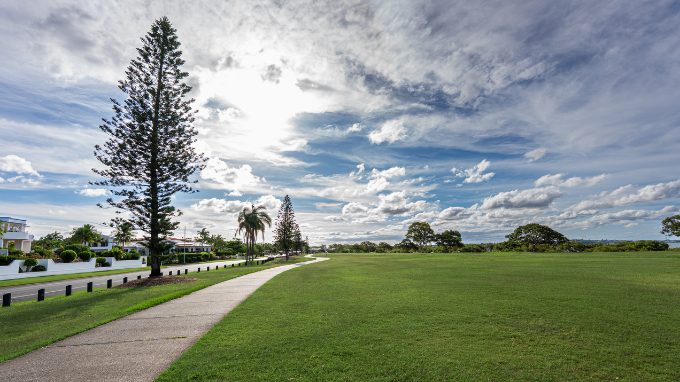
Whether it’s a council-managed precinct, a school campus, or a residential development, the turf is often the first thing people encounter. It frames the entrance, softens the built environment, and signals to visitors and residents alike that the space has been considered. And when it’s not there, people notice that too! That impression has real value for community satisfaction, property values in surrounding areas, and for the reputation of the organisations responsible for building or maintaining those spaces.
Getting the Specification Right From the Start
The best commercial turf outcomes come from getting the species selection, preparation, and installation approach right before a single slab goes down. The wrong variety in the wrong application creates ongoing problems, but the right one largely takes care of itself and leaves a legacy any company or corporation should be proud of.
That’s the conversation worth having at the planning stage, not after the fact. So if you’ve got a commercial project in the pipeline — whether it’s a new installation, a renovation, or a large-scale supply requirement — the Allenview team is set up to work through the details with you from the start.